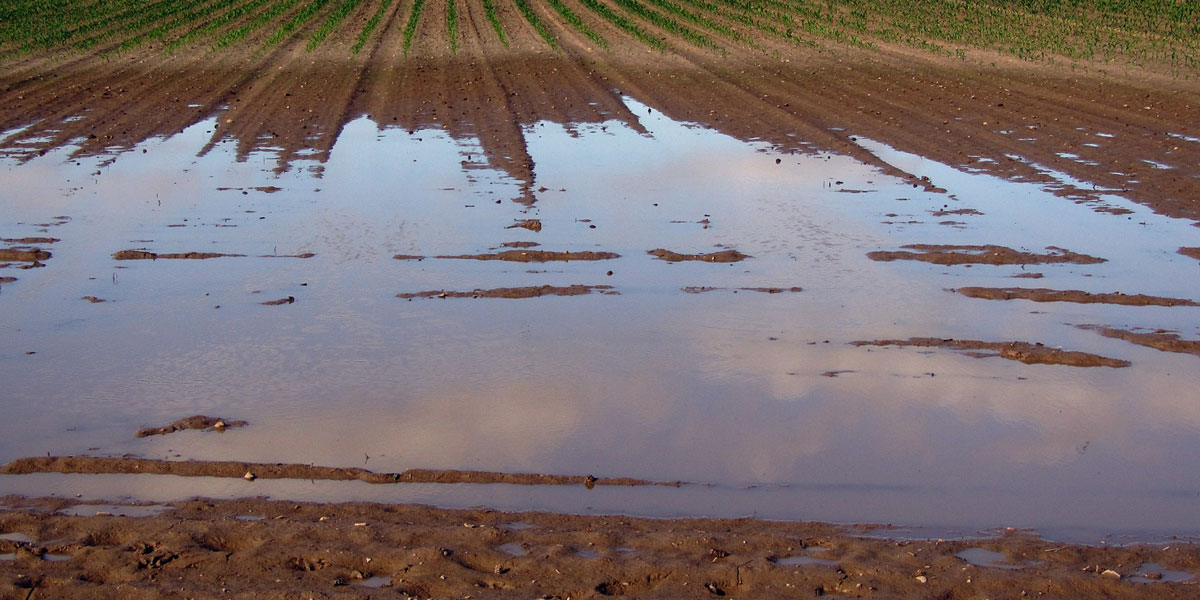
 Flood Studies
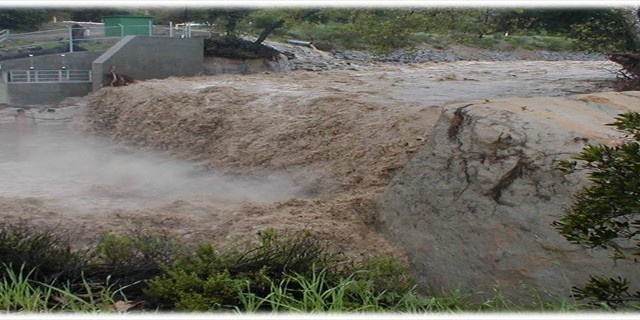
Blue Valley Consultants can deliver design plans and professional studies for many water related projects including:
- Flood Studies
- Water Systems
- Storm Sewers
- Dams
- Wetlands
- Sanitary Sewers
- Parks
Additionally, BVC performs hydraulic analysis on bridges, culverts, energy dissipaters, open channels, erosion control measures, storm sewers, and cross road pipes. Submission of permits and no rise certificates to the Division of Water Resources, municipalities, and the USACE is also provided.
In the face of increasing urbanization, cities worldwide are confronting the growing threat of flooding. Engineering solutions play a pivotal role in mitigating these risks and safeguarding communities. BVC delves into the multifaceted approach of flood studies, water systems management, storm sewers, dams, wetlands preservation, sanitary sewers, and parks development, illustrating their interconnectedness in bolstering community resilience.
Comprehensive flood studies serve as the cornerstone of effective flood management strategies. Engineers utilize advanced modeling techniques to simulate various flood scenarios, considering factors such as topography, land use, precipitation patterns, and sea level rise projections. These studies provide crucial insights into flood-prone areas, enabling informed decision-making in infrastructure planning and emergency preparedness.
Effective water systems management involves a holistic approach encompassing supply, distribution, and drainage systems. Engineers design resilient water infrastructure capable of meeting growing demands while minimizing the risk of flooding. This includes the implementation of innovative technologies such as smart sensors for real-time monitoring of water levels and flow rates, optimizing system performance and response during extreme weather events.
Storm sewers form an integral component of urban drainage systems, efficiently channeling excess rainwater away from built-up areas to prevent inundation. Engineers employ hydraulic modeling and computational fluid dynamics to design storm sewer networks that can withstand heavy rainfall and mitigate the risk of surface flooding. Sustainable practices such as green infrastructure, such as permeable pavements and bioswales, are integrated to enhance stormwater management while promoting environmental stewardship.
Dams play a crucial role in flood control, water storage, and hydroelectric power generation. Engineers design and maintain dams to withstand the hydraulic forces exerted by floodwaters, ensuring structural integrity and public safety. Advanced monitoring systems, including remote sensing and satellite imagery, are employed to assess dam conditions and detect potential vulnerabilities proactively. Additionally, engineers collaborate with environmental experts to minimize the ecological impact of dam construction and operation, preserving biodiversity and habitat connectivity.
Wetlands serve as natural buffers against flooding by absorbing excess water and reducing peak flow velocities. Engineers prioritize the preservation and restoration of wetland ecosystems as part of sustainable flood management strategies. Through habitat conservation measures and land-use planning, wetlands are safeguarded as critical floodplain areas, enhancing their resilience to climate change while providing invaluable ecosystem services such as water filtration and wildlife habitat.
Sanitary sewers play a vital role in safeguarding public health by transporting wastewater away from urban areas for treatment and disposal. Engineers design sewer systems with adequate capacity and resilience to prevent backups and overflows, even during extreme weather events. Innovative approaches such as decentralized wastewater treatment systems and sewer system optimization techniques are employed to enhance efficiency and reduce the risk of system failures.
Parks not only provide recreational opportunities but also serve as green infrastructure assets with significant flood mitigation benefits. Engineers integrate park design principles with floodplain management strategies to create resilient green spaces that can absorb and detain floodwaters. Sustainable landscaping practices, such as the use of native vegetation and rain gardens, enhance infiltration rates and promote groundwater recharge, contributing to overall flood risk reduction while enhancing community well-being.
In an era of increasing urbanization and climate uncertainty, the integration of engineering solutions across flood studies, water systems management, storm sewers, dams, wetlands preservation, sanitary sewers, and parks development is essential for building resilient and sustainable cities. By adopting a holistic approach that considers both natural and engineered systems, BVC can help cities effectively mitigate flood risks, protect public safety, and enhance the overall quality of life.